
Search Phrase = Overview
Header Images Component Tutorial
In the video above you can use the chapters menu to jump to main chapters of the video or use the time code references below to manually jump to parts of the video. The video also has searchable transcripts in the video player. These features are shown below.
If you are looking for a quick tech demo of how to integrate the Header Image Component simply start at 1:18 in the video demo above and you will get a full breakdown of the essentials in less than two minutes.
Then continue on for the remainder of the demo to get a variety of creative design strategy tips and techniques to help provide a world-class visual experience for your site.
The header image component provides a versatile and visually impactful way to set the tone and context for web page content. This demo will show you how header images can be used in either a fixed width or full browser width layout, allowing for creative flexibility in design.
The technical steps for using the Header Image Component are very simple and straight forward. As such, the primary focus of this demo is to show a variety of creative strategies of you can use image styles to set the tone and mood of your user experience. If you are looking for the technical steps you can jump straight to 23:10 in the video above. You will see the steps completed in just a few clicks.
This demo covers various creative strategies like using blurred images, color saturation, and logo overlays to establish the desired mood and branding. The process for implementing header images was shown to be straightforward, leveraging Photoshop templates to easily size and export assets. The demo emphasizes the importance of coordinating header imagery with body content to create a cohesive user experience. The demo highlights the power of the header image component to elevate the visual design of a website through a simple yet effective implementation.
Header Image Component Overview [0:01]
Josh Lomelino introduces the header image component, emphasizing its optional nature but noting its importance for design aesthetics and consistency.
The header image can be used for various purposes, such as Success Path diagrams, and is flexible across different form factors (mobile, tablet, desktop).
The header image can occupy either a fixed size or full screen width, adapting dynamically to the device's size.
Josh demonstrates how the header image component adjusts its size and position on different devices, including mobile and desktop.
Fixed vs. Full Width Header Images [3:21]
Josh explains the two primary ways to use the header image component: fixed width and full width.
A fixed width image is useful for Success Path diagrams, showing the user's progress through content.
The full width image spans the entire browser width, providing a dynamic and adaptive look.
Josh shows examples of both fixed and full width images, highlighting their respective uses and benefits.
Creative Strategies for Header Images [6:58]
Josh discusses various creative strategies for using header images, including blurred images, color saturation, and logo overlays.
Blurred images can set the tone and texture of the page, while color saturation can enhance the mood of different sections.
Logo overlays can be used to show product or company logos, or sub-brands within an organization.
Photographic images, including cropped photography, can create visual interest and set the stage for the content.
Implementation and Exporting Images [10:59]
Josh provides a step-by-step guide on implementing header images, including the best image sizes for full width and fixed width images.
For full width images, the recommended size is 2300 pixels wide by 240 pixels tall.
For fixed width images, the recommended size is around 1448 by 308 pixels.
Josh demonstrates how to export images from Photoshop, ensuring they are the correct size and quality for the header component.
Using Templates and Media Manager [22:49]
Josh explains the use of templates for header images, including full width and fixed width templates.
The templates are structured to allow easy drag and drop of images, with layers for different elements like logos and header images.
Josh shows how to use the media manager to upload and manage images, emphasizing the importance of consistent file organization.
He also discusses the flexibility of using open-source image editing software like GIMP and Procreate.
Coordinating Header and Body Images [36:04]
Josh demonstrates how to coordinate header images with body images to create a unified look and feel.
He explains the process of exporting and uploading images, ensuring they are the correct size and quality.
Josh highlights the importance of file naming conventions to avoid issues with server caching.
He shows how to update and replace images in the media manager, ensuring the new images are correctly integrated into the page.
Creative Freedom and Customization [36:20]
Josh encourages users to explore different creative strategies for header images, including using stock imagery from sites like Unsplash.
He emphasizes the importance of having a clear license for any content used.
Josh demonstrates how to use different effects and adjustment layers in Photoshop to enhance the look of header images.
He shows how to create a visual content brainstorm spreadsheet to plan and organize images for different pages or classes.
Handling Image Caching and Updates [45:00]
Josh explains how to handle issues with image caching, including clearing browser cache or renaming files to force updates.
He demonstrates the process of updating and replacing images in the media manager, ensuring the new images are correctly integrated.
Josh highlights the importance of testing and refreshing the page to ensure the new images are visible.
He provides tips for managing and organizing images in the media manager to maintain consistency and efficiency.
Final Thoughts and Best Practices [49:17]
Josh summarizes the key points of the tutorial, emphasizing the flexibility and creative freedom of the header image component.
He encourages users to explore the examples and templates provided, using them as inspiration for their own designs.
Josh highlights the importance of consistent file organization and proper image sizing for optimal performance.
He concludes with a reminder to always test and refresh the page to ensure new images are correctly displayed.
Creating a Curriculum Plan End to End
Creating Engaging Curriculum Plans 0:04
Josh Lomelino introduces the process of creating curriculum plans that engage and empower students, blending accredited programs with public-facing classes.
He shares a personal anecdote about a professor's advice on being a "sage on the stage" versus a "guide on the side," emphasizing the importance of learner engagement.
Josh discusses the principles of game design and the importance of motivation in creating engaging learning experiences.
He highlights the need to align curriculum planning with the question, "What can I do with this?" to make learning meaningful and actionable.
Framework for Aligning Program and Course Outcomes 6:28
Josh introduces a framework shared by Julie Basler, the nationwide accreditation director, which aligns program and course outcomes.
He explains the triangular approach, starting with the school mission, followed by program missions, program outcomes, and finally, class competencies.
Josh emphasizes the importance of mapping these outcomes to specific class-level outcomes to create targeted and efficient courses.
He shares his experience of optimizing the workflow to create entire course plans in less than a day, significantly reducing the time and effort previously required.
Success Path Planning and Journey Mapping 20:10
Josh introduces the concept of success path planning and journey mapping, using a UX design approach to create a motivational learning experience.
He explains the stages of a learner's journey, from awareness to success, and the characteristics associated with each stage.
Josh discusses the importance of using the right verbs to describe success milestones and outcomes, aligning them with the learner's progress.
He provides an example of mapping course outcomes to specific milestones and action steps, ensuring a clear path for learners to achieve their goals.
Bloom's Taxonomy and Hierarchy of Learning 46:58
Josh introduces Bloom's Taxonomy as a framework for designing learning outcomes, outlining the different levels of learning from knowledge to evaluation.
He explains the importance of using specific verbs at each level to describe the types of learning activities and outcomes.
Josh provides a cheat sheet for Bloom's Taxonomy, listing verbs for each level to help in writing outcome statements.
He emphasizes the need to build a foundation of knowledge and comprehension before moving to higher-order thinking skills like analysis and evaluation.
Creating Course Outcomes and Mapping to Lessons 1:07:43
Josh demonstrates the process of creating course-level outcomes using Bloom's Taxonomy, starting with knowledge and moving to evaluation.
He provides examples of course outcomes and maps them to specific lessons and activities, ensuring alignment with the overall learning goals.
Josh discusses the importance of using the right verbs to describe what learners will be able to do, making the outcomes actionable and measurable.
He emphasizes the need to continuously refer back to the course outcomes to ensure that all lessons and activities support the desired learning objectives.
Curriculum Planning Matrix and Assessment Mapping 1:33:43
Josh introduces the curriculum planning matrix, a tool for mapping course outcomes to specific lessons and assessments.
He explains the structure of the matrix, including metadata, time tracking, and assessment mapping, to create a cohesive and purposeful learning experience.
Josh demonstrates how to map weekly outcomes to specific lessons and activities, ensuring that each lesson supports a clear learning objective.
He emphasizes the importance of aligning lessons with course outcomes and using the matrix to track progress and measure success.
Detailed Curriculum Planning Example 1:33:58
Josh provides a detailed example of a curriculum plan for a social media and digital marketing class, demonstrating the complete planning process.
He explains the metadata, time tracking, and assessment mapping for the class, including the total hours required and the distribution of activities.
Josh highlights the importance of aligning lessons with course outcomes and using the curriculum planning matrix to ensure a cohesive and purposeful learning experience.
He emphasizes the need to continuously review and refine the curriculum to ensure it meets the learning goals and supports the success of the learners.
Final Steps and Tools for Curriculum Planning 1:35:42
Josh summarizes the key steps in the curriculum planning process, including brainstorming phases, mapping outcomes, and creating detailed lesson plans.
He emphasizes the importance of using the right verbs and aligning lessons with course outcomes to create a motivational and engaging learning experience.
Josh provides tools and resources, including templates and cheat sheets, to help in the curriculum planning process.
He encourages continuous review and refinement of the curriculum to ensure it meets the learning goals and supports the success of the learners.
Creating a Curriculum Plan End to End 1:35:58
Josh Lomelino introduces the concept of a built-in scheduling tool for planning and deadlines.
Discussion on the use of rubrics for assessment, especially in public-facing courses.
Josh explains the assignment sheet and its role in outlining the entire assessment process.
High-level goals and outcomes are outlined, emphasizing the end-to-end planning process.
Project Scenario and Assignment Steps 1:42:58
Josh emphasizes starting with a project scenario and providing examples and rationale.
The assignment steps are flexible, ranging from 16 weeks to as short as five weeks.
Each assignment is broken down into specific steps with submission information and a rubric.
The rubric includes categories like business Overview, customer avatars, competitive research, and a process book.
Grading and Accreditation Preparation 1:45:07
Josh discusses the importance of grading and rubrics for accreditation purposes.
The process involves pre-planning grading points and distinct grading categories.
External documentation is used before executing the plan within an LMS.
The document is not completed in one pass but unfolds week by week.
Success Path and Competency Development 1:47:18
Josh outlines the success path from initial unhappiness to transformation.
Focus on teaching students to develop the necessary competencies.
Thinking creatively and getting away from the computer helps in the ideation process.
Josh plans to use audio recordings to capture free-forming thoughts and ideas.
Leveraging AI for Content Creation 1:50:39
Josh explains the use of AI tools like Otter AI to transcribe audio recordings.
The transcript helps generate learning outcomes and lesson plans from the speaker's own words.
The process involves recording thoughts in sequence and combining them into a single file.
The final output provides a structured outline for content creation.
Finalizing the Curriculum Plan 2:08:57
Josh emphasizes the importance of having a clear success path with five to six phases.
The final output includes a detailed transcript and summary of ideas.
The process helps in creating targeted content that aligns with the success path.
The final matrix serves as a knowledge base for querying and generating new ideas.
Implementing the Plan 2:12:18
Josh discusses the importance of mapping ideas to specific phases of the success path.
The process involves querying the knowledge base for lesson ideas and action items.
The final matrix includes practical tips and techniques for developing a healthy lifestyle.
The approach ensures that the curriculum is actionable and moves learners towards their goals.
Refining the Content 2:15:00
Josh plans to refine the content by focusing on specific lessons and their details.
Each lesson is dedicated to a single audio recording and subsequent transcription.
The process helps in generating detailed video scripts and lesson plans.
The final output includes a clear structure for the entire course experience.
Creating a Knowledge Base 2:22:41
Josh emphasizes the importance of creating a knowledge base for future reference.
The knowledge base includes all key steps, tools, and resources used in the process.
The approach ensures that the final curriculum is comprehensive and actionable.
The knowledge base serves as a resource for continuous improvement and content creation.
Final Thoughts and Encouragement 2:23:38
Josh encourages participants to query their own brains and use AI tools for brainstorming.
The process helps in generating a variety of assets and content ideas.
The final matrix includes a detailed outline for the entire course experience.
The approach ensures that the curriculum is designed to help learners achieve their goals and become raving fans.
Here are strategies you can use to create engaging and motivational learning experiences for students.
Here are some key strategies Josh Lomelino discussed for creating engaging and motivational learning experiences:
This page is part of the JV partner and distributor on-boarding process. This is the redirect link from the Instructional Email Sequence in Infusionsoft
The Affiliate Center is a password-protected portal that you can use to access your sales reports, redirect links, and acquire marketing resources that is provide for you in the form of Banners, Email Templates or Web Pages. The Affiliate Center will give you easy access to the tools and information they you'll to pile up those commissions!
If you haven't logged in yet to your affiliate account, follow these simple steps:
1. Access the instructional email we sent you with your login information. You should receive this email once you have completed our opt-in form with your name and email address. This email will contain your ID, Password and Referral Code which you should keep secure at all times so you don't lose access to your account.
2. Access the Affiliate Center Login in Page.

3. Just enter your login information, click the login button, and you're in!
There are three menu categories in the Affiliate Center: Home, Resources, and Reports.

In the Home section you can access your profile to update you contact information including email, phone number, address and the name of your company. You can also access the programs tab to see what commission programs you are included in and see what the products you can sell and what your commission setup is with those programs. Lastly, your commission structure can be viewed on the last tab

The resources section is where the magic happens. This is where you get the tools you need for promoting our digital products.
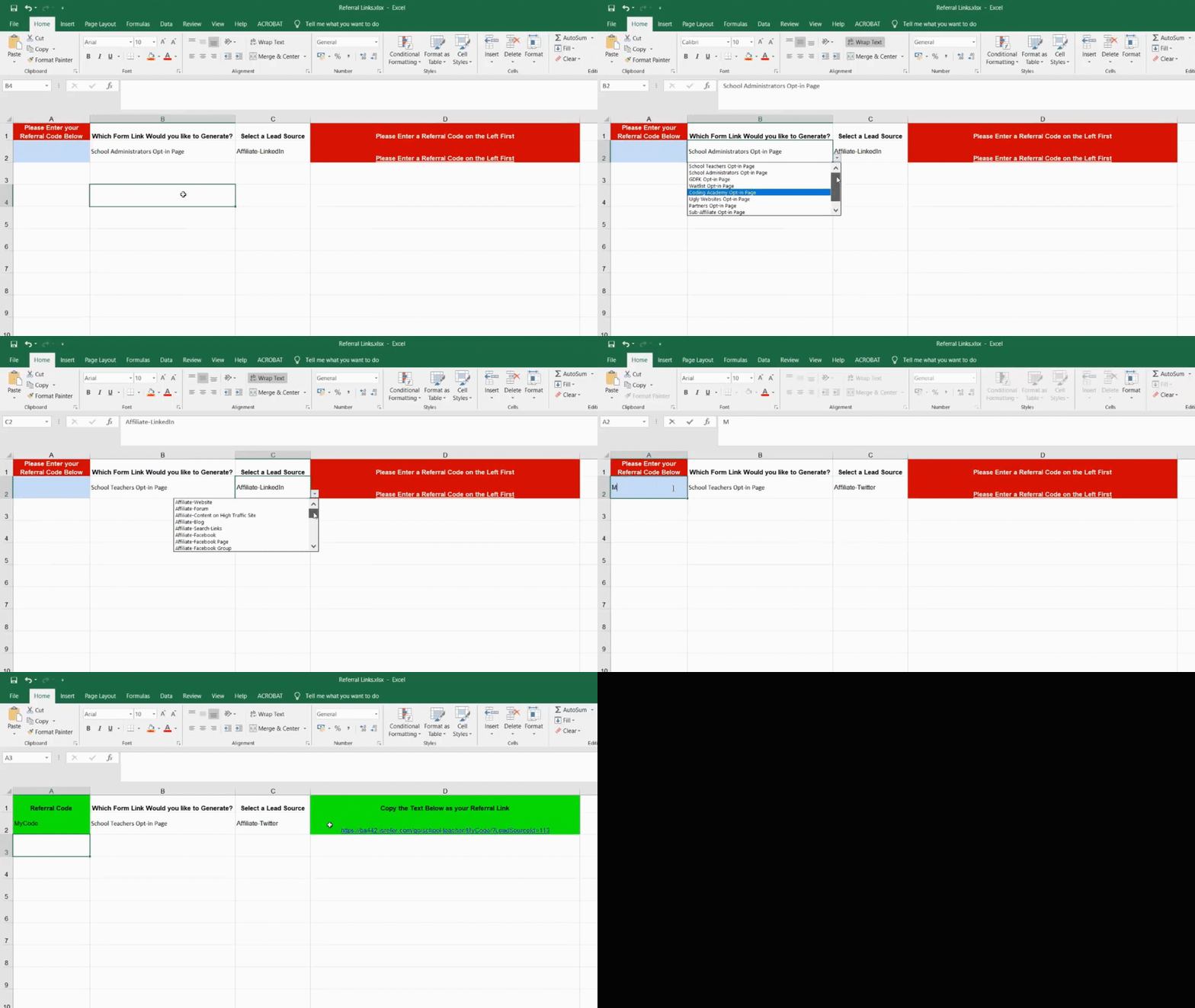
You'll need to copy and paste the links in the last column and send that to the person you want to sell to. As simple as that. That will redirect them to the Webform you have selected
Important Note: Use only these links, they are provided specifically for you. Not doing so may result in you not getting your commission.
TIP: You can use the link to wrap a button or a clickable place a page or app!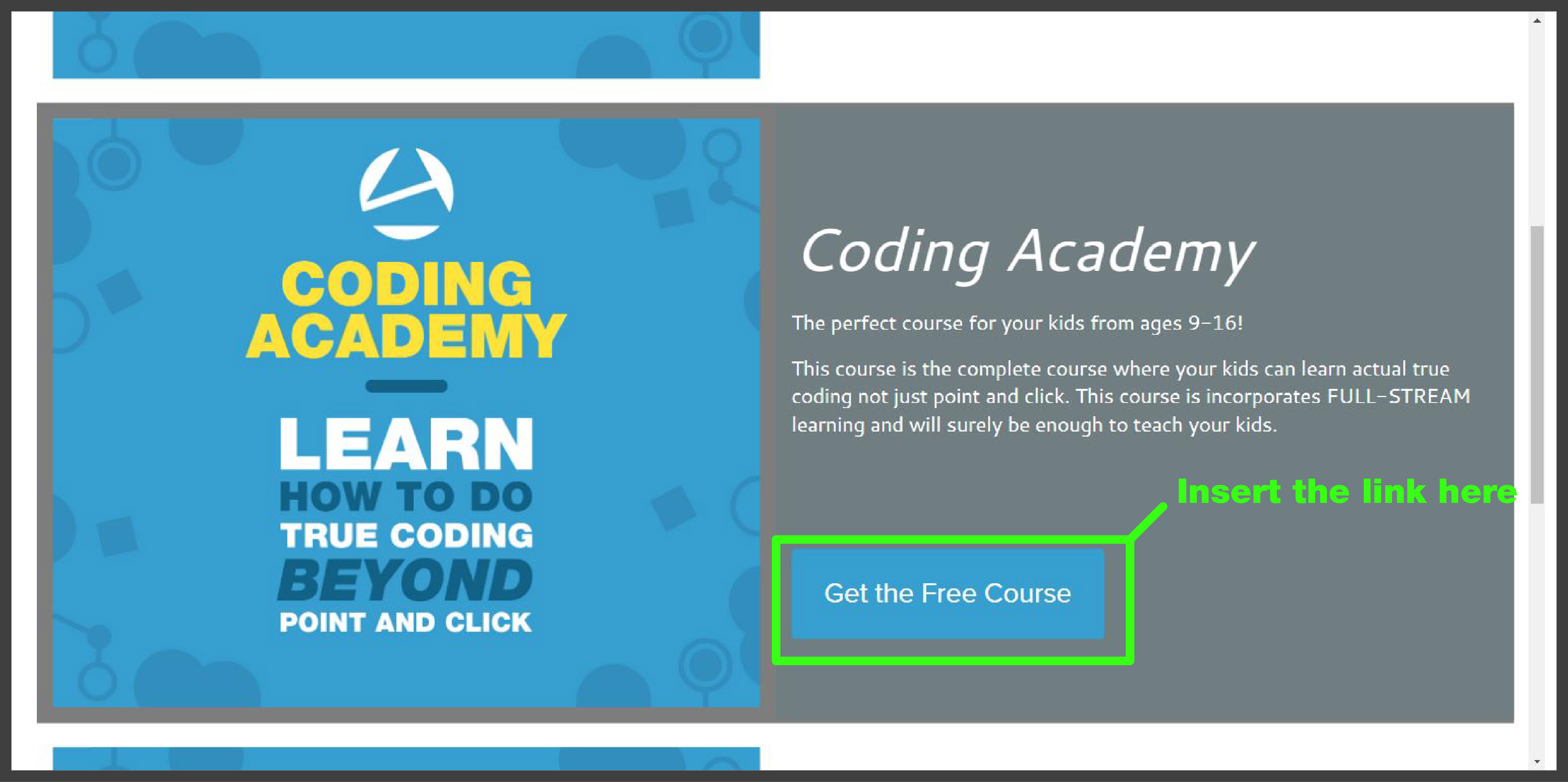

The Reports section gives you access to commission, lead tracking, and sales reports. The My Ledger report will be a valuable tool you can use to access your financial earnings.
UX Design Examples
In the video above there are several UX design examples from live products. As I show these examples I will do so in the context of our UX design process, which is a comprehensive, 10-phase methodology where we transform your innovative ideas into market-ready products with unprecedented efficiency. We start by deeply understanding customer pain points, then rapidly iterate through strategic planning, persona development, prototyping, and continuous user testing to create precise, evidence-based design solutions. Our Lean UX approach seamlessly integrates business objectives with user experience, enabling us to build interactive, user-centric products that can be deployed across web, native, and mobile platforms. By the end of our process, clients receive a fully realized digital prototype, technical specifications, and the option to leverage our SaaS MVP accelerator for quick market launch.
Best regards,
Josh Lomelino
Founder and CEO, Anomaly Studios
Mission 2: Overview
008 - Programming Overview
Welcome to the Coding Academy!
Unit 1 Table of Contents
Low Code Philosophy
This video demonstrates AMP's low-to-no-code implementation, which allows users to easily build websites without extensive web development knowledge. Users will learn how to drag and drop content, copy and paste text, and leverage AMP's auto-code generation to create a responsive, multi-device experience - all while saving time and money compared to traditional web development. By the end of the video, users will be equipped with the skills to efficiently deploy their own websites and online experiences using AMP's simplified, frictionless platform.
Here are the key things you will be able to do after you watch this demo:
Explain the low-to-no-code implementation process for features like memberships, blogs, and e-commerce.
Demonstrate how to drag and drop videos and copy/paste content to create a website.
Describe how the platform auto-generates code on the backend to provide a frictionless, fast, and easy deployment process.
Illustrate how the responsive design works across different device form factors, from phones to desktops.
Summarize how Amp's auto-code generation saves users time and money compared to traditional web development.
Identify the key components and integrations supported by the platform, such as memberships, blogs, funnels, and e-commerce.
Apply the low-to-no-code philosophy to efficiently build and deploy a website without extensive technical knowledge.
Low Code Implementation Overview 0:00:00
AMP provides a low to no code implementation, eliminating the need for extensive web development knowledge
Traditional web development involves working with developers and learning HTML, JavaScript, and other dynamic database languages
AMP simplifies the process by handling the backend programming, allowing users to drag and drop content and copy and paste text
The platform auto-generates code on the fly, creating a frictionless, fast, and cost-effective process for deploying sites
Components and Integrations 0:02:04
AMP supports various components such as memberships, blogs, main sites, funnels, sales, and e-commerce integrations
Users no longer need to hire development teams for these integrations as AMP handles them through an auto-code structure
Josh Lomelino outlines the next steps, including demonstrating how to use these components in a low to no code environment
The platform ensures that content works across multiple devices, from phones to desktops, without additional coding
Responsive Experience and Form Factors 0:03:10
AMP's responsive experience is designed to work seamlessly across different form factors, including phones, tablets, and desktops
The platform supports a mobile-first strategy, ensuring content is accessible on various devices without manual adjustments
Users can upload and integrate content without worrying about compatibility issues across different device types
The responsive design ensures a consistent user experience regardless of the device the user is accessing the content from
Core Philosophy and Next Steps 0:04:30
The low to no code philosophy is central to AMP's approach, simplifying the process for users
Josh Lomelino emphasizes that AMP has done the heavy lifting on the backend, making the process easy and efficient
The platform aims to save time and money by automating much of the technical work involved in web development
Users can expect a smooth transition to the next steps, with detailed instructions on how to use AMP's features effectively
CMS Login
This video provides an Overview of the different password-protected areas within AMP and how to manage access to them. Viewers will learn how to log in to the CMS, reset passwords, and create additional user accounts with varying levels of access. By the end, viewers will be login to the CMS in order to create content, manage classes, and integrate features within the CMS to build out their AMP site.
Note that you will need to go to yoursite.com/cms/login.html in order to login. Change yoursite.com to be your site.
Use the user name that was provided to you. Note that your password must be reset the first time you use the system. To do so enter the email you signed up to AMP with and do a password reset.
Once you have reset your password you will be allowed into the CMS and you can follow the steps shown in this demo.
Here are the key things you will be able to do after you watch this demo:
Access password-protected areas within AMP
Distinguish between public and portal-protected content
Describe different types of portal-protected content (one-off pages, classes with payment requirements)
Explain how customers can log in and view authenticated content
Manage access permissions for business owners and designated users in the CMS
Navigate to the CMS login page and log in
Reset password and create additional user accounts
Maintain password security and avoid saving passwords in browsers
Create content, manage classes, and integrate features within the CMS
Discuss next steps for building out content and integrating the logo
CMS Login Overview (0:10)
Josh Lomelino explains the different types of password-protected areas within AMP, emphasizing the distinction between public and portal-protected content.
He describes the first type of content as one-off pieces that require a portal login, such as specific pages or classes that need payment before access.
The second type involves classes where all content within is locked down by login, with some classes requiring payment for access.
AMP provides various methods for customers to log in and view authenticated content based on payment or simple login requirements.
CMS Login for Business Owners and Designated Users (1:48)
Josh Lomelino introduces the CMS login, which allows business owners and designated users to access different parts of AMP.
He explains the flexibility in granting access to users, such as access to the main site, blog, or financial records, depending on the business's needs.
The customer portal provides access to financial records, payment status, past invoices, and interactions within the system.
Businesses can decide how much or little access to grant to different team members based on their roles.
Accessing the AMP CMS Login (3:32)
Josh Lomelino demonstrates how to log in to the AMP CMS login by navigating to site.com/cms/login.html.
He highlights the central dashboard that allows managing memberships, content, and the blog in one place.
The dashboard also handles marketing funnels and digital download resources, which can be linked from the main portal.
Josh explains the password reset process for initial setup and the creation of additional accounts for different access levels.
Security and Password Management (4:32)
Josh advises against saving the password in the browser for security reasons, recommending to click "never" when prompted to save the password.
He emphasizes the importance of keeping the password in a secure place to prevent unauthorized access to customer records.
The password reset process is crucial for gaining access to the admin login and managing other accounts.
Josh concludes by mentioning the next steps in building out content and integrating various features with the logo.
Uploading Your Logo
In this demo, you will learn how to quickly and easily upload your logo to replace the existing one in the website's navigation and footer. You will create two logo files - one for the main navigation with darker text, and one reversed-out logo for the footer. Finally, you will integrate these logo files into the website's media manager and learn how to purge the cache to ensure the changes are immediately visible.
Here are the key things you will be able to do after you watch this demo:
Upload the main logo file (logo.png) to the media manager.
Upload the reversed out logo file (logo-footer.png) to the media manager.
Purge the cache on the CDN (e.g., Cloudflare) to ensure the logo changes are immediately visible.
Create a unique blog logo file (blog-logo.png) by copying and renaming the main logo file.
Uploading Logo Process Overview (0:09)
Josh Lomelino introduces the demo, explaining the process of uploading a logo and its importance.
The logo will replace the current one in the top navigation and footer of the website.
Josh emphasizes the need for a logo with darker text for the main navigation and a reversed-out logo for the footer.
The process involves generating two files and dragging them to the media manager in AMP.
File Structure and Transparency (1:27)
Josh explains the importance of having a file structure with transparency, preferably a vector file like an EPS.
He demonstrates how to save the file as a PNG 24 with transparency and sets the dimensions to 1000 pixels.
The main logo file should be named "logo.png" for the top navigation.
Josh saves the file and prepares to integrate it into the website.
Integrating the Logo into the Website (5:36)
Josh logs into the CMS and navigates to the File Manager to upload the logo.
He removes the existing logo file and replaces it with the new logo file.
The same process is repeated for the footer logo, using a reversed-out vector file.
Josh explains the importance of naming the footer logo file "logo-footer.png" and uploading it.
Caching and CDN Configuration (6:00)
Josh discusses the importance of caching and how it affects the logo's visibility.
He explains how to purge the cache in Cloudflare to see the updated logo immediately.
Josh describes the benefits of using a CDN for faster performance and better SEO.
He emphasizes the need to flush the cache when updating files to ensure the changes are reflected.
Final Steps and Best Practices (11:29)
Josh demonstrates how to purge the cache in Cloudflare by setting the browser cache TTL to two minutes.
He explains the role of the CDN in storing and serving files to improve performance.
Josh advises on naming conventions for logos used in different parts of the website.
He concludes by ensuring the updated logo is visible and functional, and provides additional tips for blog logos.
Keywords: Anomaly AMP, digital engagement, online presence, content management, marketing funnels, evergreen content, user experience, scalability, healthcare industry, education sector, e-commerce, social media integration, customizable templates
Welcome to AMP

Here are the top things you will be able to do when you complete this module.
Introduction to AMP

Here are the top things you will be able to do when you complete this module.
Core Components

 Overview" width="1200" height="150" />
Coming Soon
 Overview" width="1200" height="150" />
Coming Soon
Creating and Modifying Content
This demo provides a comprehensive Overview of the content management capabilities within the platform. Viewers will learn how to efficiently create, customize, and publish content pages, leveraging advanced features like related links, multimedia integration, and mobile-responsive design. By the end of the session, users will be empowered to rapidly develop and manage engaging, interconnected content that can be easily shared across social media to drive audience growth and engagement.
Here are the key things you will be able to do after you watch this demo:
Create and customize content pages within the CMS, including setting URLs, descriptions, keywords, and search engine priority
Utilize advanced features like left/right panels, side menus, classes, units, folders, and categories to organize content
Manage page metadata like publishing dates, authors, and social media sharing settings
Integrate multimedia content like banners, galleries, and videos into pages
Leverage the related links functionality to build interconnected content networks
Auto-generate web-friendly HTML from external sources like Word or Google Docs
Efficiently insert and format images within content pages
Preview and validate the mobile responsiveness of content pages
Understand how to make content shareable on social media to drive engagement and traffic
Gain familiarity with the overall content management workflow and tools within the system
Creating and Modifying Content: Introduction and Initial Setup (0:00)
Josh Lomelino introduces the session, focusing on creating and modifying content in the site.
He explains the process of creating a page, starting with a join page to onboard new members.
Josh demonstrates how to set URLs, descriptions, and keywords for SEO purposes.
He highlights the importance of search engine priority and the ability to create left and right panels with side menus.
Advanced Features and Customization (4:04)
Josh discusses the ability to create classes, units, folders, and categories within the content management system.
He explains the options for specifying publishing dates, authors, and displaying authorship information.
Josh demonstrates how to customize page banners, including the use of fixed and full-width headers.
He shows how to integrate social media sharing and create galleries and video content.
Social Media Integration and Keyword Visibility (4:19)
Josh explains the process of setting social media visibility and the benefits of having keywords visible for internal searches.
He demonstrates how to create a keyword cloud for users to drill down into content based on keywords.
Josh shows how to modify the join page by setting keywords to invisible and adding content about joining the membership.
He highlights the importance of making content shareable on social networks and managing social media visibility.
Rapid Development and Related Links (7:58)
Josh demonstrates how to add additional content to the join page, including related links and external resources.
He explains the power of the related link network and the ability to filter search results in real-time.
Josh shows how to link to items on the main site, blog, and external resources like Google Docs.
He explains the process of reordering items and managing external links within the system.
Auto-Generation of Content and Image Management (12:28)
Josh demonstrates how to auto-generate HTML from Word or Google Docs, maintaining web-friendly code.
He explains the process of copying and pasting content from Word, including formatting and image management.
Josh shows how to insert images, set descriptions, and format images to wrap text around them.
He highlights the ability to create sales funnels and link to e-commerce within the system.
Mobile Preview and Final Touches (18:58)
Josh explains how to preview the site on different form factors using developer tools in browsers.
He demonstrates the responsiveness of images and the ability to view the site on various devices.
Josh highlights the benefits of social media sharing and the potential for content to go viral.
He concludes by summarizing the process of creating and modifying content, emphasizing the ease of use and flexibility of the system.
File and Media Manager
The File Manager demo showcases a powerful tool for efficiently organizing and managing files of various types, including images, PDFs, and ZIP archives. Users will learn how to mirror their local file structure on the server, upload files using drag-and-drop or the upload button, and seamlessly integrate these files into web content. The demo also highlights advanced features such as image editing capabilities, folder management options, and direct file insertion into pages, empowering users to streamline their content creation and file organization workflows.
Here are the key things you will be able to do after you watch this demo:
Organize files and folders efficiently using the File Manager
Mirror local file structure on the server using drag-and-drop
Integrate various file types (images, PDFs, ZIP files) into web pages
Create a hierarchical folder structure for long-term scalability and accessibility
Upload files to the server using drag-and-drop or the upload button
Insert images into web content using the File Manager integration
Add alternate descriptions to images for improved accessibility
Link files (PDFs, ZIP archives) for users to download
Edit images directly within the File Manager using advanced tools
Save frequently accessed folders as favorites for quicker navigation
Manage folders at scale, including renaming, downloading, and zipping
Directly insert files into web content using the Insert File button
File Manager Overview and Initial Setup (0:08)
Josh Lomelino introduces the File Manager component, emphasizing its power to organize files efficiently.
The File Manager allows users to mirror their local file structure on the server using drag-and-drop functionality.
Josh demonstrates the interface, showing various file types like images and PDFs that can be integrated into pages.
The File Manager is accessed through the CMS under Content Management, opening in a full-screen view for easy navigation.
Organizing Files and Folders (1:49)
Josh explains the importance of organizing files hierarchically for long-term accessibility and structure.
He creates a folder structure for assets, classes, and subfolders for headers and sliders.
Drag-and-drop functionality is used to upload images from the local file system to the server.
Josh advises against using spaces in folder names to avoid special characters in URLs.
Inserting and Managing Images (5:59)
Josh shows how to insert images into content pages using the Insert Image button.
The file structure in the File Manager is mirrored in the content management interface for easy file selection.
Drag-and-drop functionality is also available when editing content, making it flexible and efficient.
Josh emphasizes the importance of using alternate descriptions for images to improve accessibility.
Linking Files for Downloads (9:26)
Josh demonstrates how to link files for downloads, such as PDFs, by selecting text and inserting a link.
He suggests organizing files in high-level folders like classes or PDFs for better scalability.
The process involves browsing for the file in the File Manager and inserting the link into the content.
Josh highlights the importance of a clear folder structure to avoid reorganization later.
Handling ZIP Files (12:49)
Josh explains how to create and manage ZIP files using the File Manager.
He demonstrates compressing a collection of files and folders into a ZIP file on a PC.
The ZIP file can be uploaded and managed in the File Manager, with folders created for scalability.
Josh shows how to insert a link to the ZIP file in content pages, allowing users to download the file.
Advanced Image Editing Features (16:35)
Josh introduces the image editing tools available in the File Manager, including resizing, cropping, and adjusting brightness and contrast.
He demonstrates applying multiple operations to an image and saving the changes.
The File Manager supports various image editing features similar to Photoshop, making it easy to manage images without external software.
Josh highlights the ability to save favorites for frequently accessed folders to save time.
Advanced File Management Features (20:03)
Josh explains advanced options for managing folders, such as renaming, downloading, and zipping entire folders.
He demonstrates how to remove files or folders if needed.
The File Manager allows users to rename files and folders directly from the interface.
Josh mentions the Video Manager, which will be covered in another session, for managing video files at scale.
Inserting Files Directly into Content (21:34)
Josh introduces the Insert File button at the bottom of the toolbar for quickly inserting files into content.
This method allows users to place files without typing descriptive text first.
The inserted file name and link can be edited later for customization.
Josh emphasizes the flexibility of the File Manager in managing various file types and integrating them into content.
The announcements component allows you to easily manage and publish important messages and callouts on your website's home page. You can create announcements with images, dates, descriptions, and links to drive traffic to specific pages or files. After watching this demo, you'll be able to efficiently update and modify announcements as needed to keep your members informed about the latest news and information.
The announcements component allows you to easily manage and publish important messages and callouts on your website's home page. You can create announcements with images, dates, descriptions, and links to drive traffic to specific pages or files. After watching this demo, you'll be able to efficiently update and modify announcements as needed to keep your members informed about the latest news and information.
Here are the key things you will be able to do after you watch this demo:
Manage multiple announcements on the home page of a website
Integrate images, dates, descriptions, and links into announcements
Drive traffic to specific pages or files using announcement click-through links
Update and modify existing announcements as needed
Ensure announcements are mobile responsive across devices
Leverage announcements to keep members informed about important information
Organize announcements in a specific order to prioritize content
Utilize the integrated file management system to select announcement images
Understand the importance of following template guidelines for image dimensions
Efficiently create, submit, and publish new announcements in the CMS
Announcements Component Overview (0:00)
Josh Lomelino introduces the announcements component, which allows managing multiple announcements on the home page of a site.
Announcements can include images, dates, descriptions, and links to download files or redirect to different areas of the site.
The component is designed to help manage important messages and callouts effectively.
Josh explains that the announcements will be mobile responsive, working on various devices like mobile, tablet, and desktop.
Creating and Managing Announcements (0:38)
Josh demonstrates how to create a new announcement in the CMS by clicking "Create Announcement."
He inputs a title for the announcement, "Example Announcement," and selects a file from the integrated file management system.
Josh highlights the importance of using the provided template for file dimensions to ensure proper formatting.
He explains how to edit image dimensions and mentions that the announcements are mobile responsive.
Adding Links and Dates to Announcements (2:14)
Josh shows how to add a click-through hyperlink to an image, which can redirect users to a specific page.
The order of announcements is determined by the order in which they are created, with the most recent announcement appearing first.
Users can choose to include a date for the announcement, which will automatically default to the current date if not specified.
Josh provides an example of setting a date and text for an announcement and submitting it to the database.
Updating and Modifying Announcements (3:36)
Josh explains that once an announcement is submitted, it will be displayed on the home page with the specified date and text.
He demonstrates how to modify an existing announcement by changing the text and adding a new URL or file.
Users can update the announcement to drive traffic to specific pages or download files.
Josh emphasizes the flexibility of the announcements component in managing and updating important information on the home page.
Driving Traffic and Keeping Members Informed (4:52)
Josh discusses the versatility of the announcements component in driving traffic to various parts of the site.
He provides examples of how to use announcements to keep members informed about new blog posts or conference speaker lineups.
The component allows for the easy management of current and relevant information on the home page.
Josh concludes by reiterating the importance of keeping the home page updated with important announcements to keep members engaged and informed.
Related Link Network Component
The video demonstrates how to use the related link network feature in AMP to create powerful connections between content items. Viewers will learn to quickly and easily add related links, both internal and external, to any content page, allowing users to navigate the content in a seamless and flexible manner. The video also highlights advanced features like bi-directional linking and filtered search, empowering users to manage and organize their content knowledge base with minimal effort. By the end of the video, viewers will be able to leverage the related link network to enhance the discoverability and user experience of their content.
Explain the concept of related links and their importance in enhancing learning and knowledge building.
Identify the issue of isolated content in many learning systems and the need for creating meaningful connections between ideas.
Describe the use of a sequence of content as a method to create relationships between content items.
Demonstrate the ability to create a related link network, a user interface that visualizes the connections between content.
Utilize AMP's related link network feature to quickly and easily create complex related link structures with minimal effort.
Apply the flexibility of the related link network to create both sequential and asynchronous content paths.
Implement the process of adding related links, including internal and external resources, to a content page.
Manage and reorganize related links to ensure a clean and easy-to-navigate user interface.
Leverage the advanced features of the related link network, such as bi-directional linking and filtered search, to enhance the organization and discoverability of content.
Modify and update related links, including changing titles and URLs, and observe the real-time updates to the user interface.
Traffic Overview - Landing the Plane
This video provides a detailed, actionable plan for conducting comprehensive traffic research. Viewers will learn how to use SimilarWeb to measure the monthly traffic volumes of competitor websites, allowing them to identify the major players based on traffic data. The video then introduces SEMrush as a powerful tool for analyzing the traffic and keyword data of these competitors, equipping viewers with the insights needed to develop an effective traffic strategy and architecture. By the end of this video series, participants will be able to automate the data collection process and integrate relevant keywords into their content to ensure search engine relevance and avoid algorithm penalties.
Measure the monthly traffic volumes of competitor websites using SimilarWeb.
Identify major competitors based on website traffic data, not just revenue or user base.
Analyze the traffic and keyword data for competitors using SEMrush.
Integrate relevant keywords into content to ensure search engine relevance and avoid algorithm penalties.
Develop a comprehensive traffic strategy and architecture based on the actionable data collected from SimilarWeb and SEMrush.
Automate the data collection process to streamline the traffic research and planning.
Apply the frameworks and examples provided in the subsequent videos to effectively utilize SimilarWeb and SEMrush.
Leverage the insights from optional tools like Alexa, Ahrefs, and URL Profiler to further enhance the traffic research.
Overview of Traffic Research Strategy (0:00:08 - 0:01:15)
Josh Lomelino explains the goal of the demo: to provide a detailed, actionable plan for traffic research
He clarifies the importance of keywords, noting that Google has deprecated the meta keyword tag due to misuse
The focus is on integrating keywords into content to avoid algorithm manipulation and ensure relevance
Josh outlines the initial steps of the traffic research process, emphasizing the use of SimilarWeb for competitor traffic analysis
Utilizing SimilarWeb for Traffic Analysis (0:01:15 - 0:02:00)
Josh details the first step in the traffic research process: using SimilarWeb to measure monthly traffic volumes of competitor websites
He explains that this metric helps identify major competitors based on traffic, not necessarily revenue or user base
The traffic data collected will be crucial for developing the traffic strategy and architecture
Josh mentions that this step is foundational and will be further explained in subsequent videos
Introduction to SEMrush for Competitor Analysis (0:02:00 - 0:02:40)
Josh introduces SEMrush as the next tool in the traffic research process
He plans to provide examples and frameworks from his resources to guide the audience through the SEMrush usage
The process involves a two-step approach, with SEMrush being the primary tool
Josh notes that additional tools like Alexa, Ahrefs, and URL Profiler are optional but can provide valuable insights
Future Steps and Actionable Data (0:02:40 - 0:03:00)
Josh announces that future videos will cover the use of SimilarWeb and SEMrush in detail
He emphasizes that the data collected from these tools will be highly actionable and crucial for the overall traffic architecture plan
The goal is to automate the data collection process to develop a comprehensive traffic strategy
Josh reiterates the importance of integrating keywords into content to ensure search engine relevance and avoid penalties
Anomaly AMP Channel Partner Starting
Josh Lomelino is the founder of Anomaly Studios and creator of the Anomaly AMP platform. He previously ran a service-based business but struggled with the constant fight for survival and lack of control over his time and finances. Anomaly AMP is a platform he built to automate and scale his business, providing a way to earn recurring passive. Now he's opening up that same passive income power available to through an affiliate program that offers commissions on referred customers simply by sharing our free resources.
After you have watched the video above, create your account for the channel partner program at the bottom of this page or by clicking here.
To create financial projections go to our revenue calculator and click “recurring.” Then enter $99.4 for 20% of the Anomaly A.M.P. subscription and enter 1 customer per month (or the number you think you can get). As you enter customers per month for onboarding the financial information appears below as monthly, annually, and cumulative across years if you keep up with the cadence of one customer per month on average. This compounds exponentially.
Launch the Calculator and click the recurring tab.
One Customer Per Month Example


Five Customers Per Month Example


Keywords: functions
Functions Overview Part 1
Functions Overview Part 1
There is no code to load for this demo.
Fundamentals of Programming Overview
Fundamentals of Programming Overview
Keywords: variables
Variables Overview Part 1
Variables Overview Part 1
Click here to load this code in the P5JS Editor
Or Copy/Paste the code below into your own P5JS Editor
function setup() { createCanvas(600, 600);
drawBox(0, 0, 30, 500); // function call to drawBox}
function drawBox(a, b, c, d) { // Draw a rectangle using the given parameters. rect(a, b, c, d);}
Variables Overview Part 2
Variables Overview Part 2
Below is the full source code from this demo. You can copy and paste this into P5JS or you can open it directly here.
function setup() {
createCanvas(500, 500); myXPos = 200; console.log("I am in the setup function an myXPos = " + myXPos); fill("blue"); drawBox(myXPos, 200, 50, 70); fill("red"); drawBox(myXPos+100, 0, 200, 500);}
function drawBox (a,b,c,d) { console.log ("I am in the drawBox function and myXPos = " + a); rect(a,b,c,d); }
Variables Overview Part 3
Below is the full source code from this demo. You can copy and paste this into P5JS or you can open it directly here.
function setup() {
createCanvas(500, 500); myXPos = 200; console.log("I am in the setup function an myXPos = " + myXPos); fill("blue"); drawBox(myXPos, 200, 50, 70); fill("red"); drawBox(myXPos+100, 0, 200, 500);}
function drawBox (a,b,c,d) { console.log ("I am in the drawBox function and myXPos = " + a); rect(a,b,c,d); }
Course Memberships Overview
Course Memberships Overview
Keywords: Content,creation,workflow,time-saving,high-quality,student,outcomes,audio,file,screen,recording,Camtasia,OBS,generative,AI,digital,double,course,matrix,instructional,design,Otter,PowerPoint,slides
Josh Lomelino's ultimate content creation workflow is designed to dramatically reduce course development time from months to weeks or days by leveraging various content generation methods. His approach ranges from simple audio-only techniques to fully automated workflows using generative AI, with a focus on delivering clear, measurable learning outcomes. The workflow encompasses four progressive methods, starting with basic audio creation and advancing to complex AI-driven content generation that can produce digital avatars, slides, and video content from simple text prompts. By providing a flexible, scalable approach, Lomelino enables content creators to efficiently develop high-quality online courses and educational materials.
Josh Lomelino's ultimate content creation workflow is designed to dramatically reduce course development time from months to weeks or days by leveraging various content generation methods. His approach ranges from simple audio-only techniques to fully automated workflows using generative AI, with a focus on delivering clear, measurable learning outcomes. The workflow encompasses four progressive methods, starting with basic audio creation and advancing to complex AI-driven content generation that can produce digital avatars, slides, and video content from simple text prompts. By providing a flexible, scalable approach, Lomelino enables content creators to efficiently develop high-quality online courses and educational materials.
After this demo, learners will be able to:
Understand the Four Methods of Content Creation
Differentiate between audio-only, screen recording, webcam, and fully automated content generation techniques
Recognize the strengths and limitations of each workflow method
Develop Efficient Content Generation Skills
Apply AI tools like Otter AI, Claude AI, and ChatGPT for script drafting and refinement
Create high-quality educational content using streamlined workflows
Leverage AI Technologies for Course Development
Utilize generative AI platforms for audio, video, and slide creation
Transform content development timelines from months to weeks
Design Learner-Centered Educational Content
Craft clear, measurable learning outcomes
Develop instructional materials that focus on practical skills and immediate application
Implement Scalable Content Production Strategies
Overview of Content Creation Workflow 0:09
Josh Lomelino introduces the ultimate content creation workflow class, aiming to reduce course development time from months to weeks or days.
The course will cover a blend of simple to fully automated workflows, starting with simpler methods for quick wins and progressing to advanced approaches.
Emphasis is placed on delivering clear, measurable outcomes and setting up necessary systems from the start.
The course will cover creating basic audio files, screen recording using tools like Camtasia or OBS, and fully automated workflows using generative AI.
Methods of Content Creation 1:30
Josh Lomelino outlines four methods of content creation, ranging from simple to fully automated, with each method providing a different level of complexity and automation.
Method one involves creating audio-only content using tools like Claude AI or ChatGPT to refine scripts and generate final audio files.
Method two involves real-time screen recording using software like Camtasia, capturing both screen content and voice simultaneously.
Method three combines screen recording with live webcam footage, allowing for a more dynamic on-screen presence.
Method four uses AI to generate a digital double video from a recorded vocal track, with AI also generating PowerPoint or Canvas slides.
Detailed Explanation of Methods 2:49
Method one: Josh explains the process of refining raw text into final audio scripts using AI tools and recording the final audio file manually or with AI.
Method two: Josh describes using Camtasia to record both screen and voice simultaneously, minimizing post-production work and suitable for relaxed, adaptable work.
Method three: Josh details recording both screen and webcam footage in one take, requiring careful setup for a consistent on-camera presence.
Method four: Josh explains using AI to generate a digital double video from a recorded vocal track, with AI also generating slides synchronized to the transcript.
Implementation and Integration 10:04
Josh emphasizes the importance of starting with method one and progressing sequentially to method four, explaining the workflows and specific tools used to optimize the process.
The course is designed to provide strategies that can be implemented immediately, with each method providing a different level of automation and complexity.
Josh will demonstrate how to generate scripts, auto-generate audio files, and record both audio and video manually, as well as how to automatically generate PowerPoint and Canvas slides using AI.
The final video will show how to integrate these workflows into Anomaly AMP, providing learners with contextual information and a timeline breakdown.
Keywords: Overview, Demo, Audio, Recording, Process, Tracks, Methods, Production, Manual, AI, Generated, Voices, Automatically, Instructional, Aid, Synthesizing, Information, Guide, Instruct, Persuade, Sales, Potential, Catalyst, Automating, Content, Creation, Recorded, Serve, Presentation, Slides, PowerPoint, Canva, Animated, Effects, Virtual, Camera, Overlay, Automated, Execute, Fundamentals, Vocal, Performance, Techniques, Apply, Screen, Captures, Principles
This video provides a comprehensive Overview of audio production techniques, teaching viewers how to create powerful audio tracks through manual recording and AI-generated voices. Participants will learn to leverage audio as a versatile tool for instructional content, sales support, and multimedia creation, including automated slide generation and virtual presentations. The demonstration will equip learners with fundamental vocal performance skills applicable to screen captures, on-camera presentations, and various content creation scenarios. By mastering these techniques, viewers can transform their approach to creating engaging, professional-quality audio and visual content.
This video provides a comprehensive Overview of audio production techniques, teaching viewers how to create powerful audio tracks through manual recording and AI-generated voices. Participants will learn to leverage audio as a versatile tool for instructional content, sales support, and multimedia creation, including automated slide generation and virtual presentations. The demonstration will equip learners with fundamental vocal performance skills applicable to screen captures, on-camera presentations, and various content creation scenarios. By mastering these techniques, viewers can transform their approach to creating engaging, professional-quality audio and visual content.
Here are the key things you will be able to do after you watch this demo:
Record high-quality audio tracks manually
Generate AI-powered voice narrations from text scripts
Use audio as an instructional and persuasive communication tool
Automate presentation slide creation using audio tracks
Create virtual on-camera presentations with overlaid audio
Apply vocal performance techniques to screen captures
Synthesize information effectively through audio narration
Leverage audio for sales and instructional content development
Transform text scripts into multimedia presentations
Develop professional-grade content using both manual and AI-driven audio production methods
Overview of Audio Recording Process 0:08
Josh Lomelino introduces the demo, focusing on the process of recording audio tracks.
He mentions that the Overview video will demonstrate two methods for audio production: manual recording and AI-generated voices.
The video aims to outline various uses of audio, emphasizing its role as an instructional aid and its potential in automating content creation.
Josh highlights that audio can synthesize information to guide, instruct, persuade, and support sales.
Applications of Audio in Content Creation 0:51
Josh explains that audio tracks can be used directly as instructional aids, providing guidance and support.
He elaborates on audio's role in automating multiple aspects of content creation, whether recorded manually or generated with AI.
An audio track can create presentation slides in applications like PowerPoint or Canva, complete with animated effects.
The audio can also be used to generate virtual on-camera presentations that overlay on automated slides.
Upcoming Demos and Techniques 1:40
Josh mentions that upcoming demos will show how to execute both methods of audio production: manual recording and AI-generated voice production.
He emphasizes the importance of mastering the fundamentals of delivering a strong vocal performance.
These techniques can be applied to various areas, including live screen captures and on-camera presentations.
Josh concludes the high-level Overview, stating that he will see the audience in the next video.
Keywords: automation,content,creation,production,studio,digital,doubles,video,avatar,text,script,cloud-based,tools,slide,decks,PowerPoint,Canva,training,programs,staff,development,retention,coding,Academy,method,four
Method Four of the Ultimate Content Creation Workflow enables creators to automate their entire video production process by leveraging cloud-based tools and digital technology. By mastering this method, content creators can clone their voice, generate video avatars, and produce high-quality training videos and presentations with minimal time and effort. The workflow allows you to transform a simple text script into a fully automated video production, complete with synchronized audio, visuals, and slide decks. Ultimately, this approach empowers busy professionals to scale their content creation without being constrained by traditional time-consuming production methods.
Method Four of the Ultimate Content Creation Workflow enables creators to automate their entire video production process by leveraging cloud-based tools and digital technology. By mastering this method, content creators can clone their voice, generate video avatars, and produce high-quality training videos and presentations with minimal time and effort. The workflow allows you to transform a simple text script into a fully automated video production, complete with synchronized audio, visuals, and slide decks. Ultimately, this approach empowers busy professionals to scale their content creation without being constrained by traditional time-consuming production methods.
Here are the key things you will be able to do after you watch this demo:
Clone your voice for digital content creation
Generate automated video avatars
Transform text scripts into complete video presentations
Automate slide deck production in PowerPoint and Canva
Scale content creation with minimal time investment
Develop training materials efficiently
Leverage cloud-based production tools
Create digital doubles of yourself
Streamline video production workflows
Produce high-quality educational content without extensive technical skills
Ultimate Content Creation Workflow Overview 0:08
Josh Lomelino introduces method four, which automates the entire content creation process.
This method combines the first three methods but focuses on automation, making it more efficient.
Josh emphasizes the importance of mastering the first three methods before attempting method four.
The method allows for the creation of high-quality content with minimal time, effort, and budget.
Method Four's Impact on Production 1:09
Josh describes the transformative power of method four, which revolutionized his production process.
A potential customer expressed interest in using the method for staff development and retention.
Josh explains how he creates digital doubles of himself to automate the production process.
The method enables large-scale production without the time constraints typically associated with video creation.
Addressing Time Constraints in Content Creation 1:49
Josh shares experiences of customers who face time constraints in creating training programs and classes.
He highlights the challenges of maintaining a busy schedule while keeping up with production demands.
Method four allows for the cloning of voices and creation of audio tracks to generate video avatars.
The method significantly reduces the time required to produce multiple videos.
Automation Capabilities of Method Four 2:29
Josh explains that everything in the final video is fully automated, starting from a text script.
The process involves copying and pasting the script into cloud-based production tools.
High-end computers are not necessary as most of the heavy lifting is done in the cloud.
The method also automates the creation of slide decks in tools like PowerPoint or Canva.
Step-by-Step Process Walkthrough 2:48
Josh mentions that he will walk through each part of the process in the following sections.
The detailed steps will provide a comprehensive understanding of method four.
The process aims to make content creation more efficient and less time-consuming.
Josh emphasizes the importance of understanding each step to effectively implement the method.
Keywords: AI-generated,video,4K,resolution,workflow,optimization,content,longevity,editing,software,avatar,export,quarter,screen,principle,green,workflows,automated,production,performances,audio,files,text-to-performance,tools,cloud,storage,local,backups
In this video, you'll learn how to create a digital double avatar for automated video production, with a focus on optimizing workflow and resolution strategies. You'll discover techniques for producing high-quality avatars, including how to effectively composite 1080p avatars into 4K projects and create flexible avatar sets with multiple poses and angles. The tutorial will guide you through green screen workflows and demonstrate methods for automating avatar performances using audio and text-to-performance tools. By the end, you'll have a comprehensive understanding of how to efficiently generate professional-looking AI-driven video content with your digital avatar.
In this video, you'll learn how to create a digital double avatar for automated video production, with a focus on optimizing workflow and resolution strategies. You'll discover techniques for producing high-quality avatars, including how to effectively composite 1080p avatars into 4K projects and create flexible avatar sets with multiple poses and angles. The tutorial will guide you through green screen workflows and demonstrate methods for automating avatar performances using audio and text-to-performance tools. By the end, you'll have a comprehensive understanding of how to efficiently generate professional-looking AI-driven video content with your digital avatar.
Following are the key things you will be able to do after you watch this demo:
Select optimal video resolution for long-term content creation
Composite avatar videos into 4K projects using the quarter-screen technique
Design flexible avatar sets with multiple camera angles and poses
Implement cost-effective workflows for digital avatar production
Batch produce avatar videos efficiently
Utilize green screen techniques for high-quality avatar generation
Automate avatar performances using audio and text-to-performance tools
Future-proof video content by understanding resolution strategies
Create visually engaging educational or presentation videos with digital avatars
Optimize video production workflow for AI-generated content
Overview of Creating a Digital Double Avatar 0:08
Josh Lomelino introduces the video as an Overview of creating a digital double avatar, emphasizing the importance of early workflow considerations for automated video production.
He highlights the significant decision of choosing between HD at 1080p and Ultra HD at 4k or higher, noting that while 1080p is faster and more economical, 4k offers better future-proofing.
Josh recommends producing videos in 4k for longevity, ensuring the platform supports 4k playback, and mentions that Anomaly Amp supports this out of the box.
For cost-effective 4k output, he suggests exporting the avatar at 1080p and compositing it over a 4k background in video editing software like Premiere or Camtasia.
Techniques for Achieving 4k Output 2:12
Josh explains that exporting avatars in 4k can be costly, but exporting at 1080p and compositing it in a 4k project maintains full resolution without quality loss.
He describes the quarter screen principle, where the avatar is positioned in the bottom right-hand corner of the screen, enhancing the learning experience with foreground and background visuals.
Josh advises producing the original avatar in 4k and storing it at full resolution in both cloud storage and local backups, but notes that most people will render videos in 1080p.
He outlines the process of creating an avatar set with multiple camera angles, standing and sitting poses, and options with and without hand gestures, providing a flexible collection for different needs.
Green Screen Workflows and Automation 3:33
Josh discusses green screen workflows, offering tips for achieving strong results even without a high-end green screen.
He explains how to batch produce avatars efficiently, saving time with a streamlined workflow.
Josh introduces the concept of fully automating avatar performances using audio files or AI-generated audio and video with text-to-performance tools.
He concludes the demo by mentioning that he will cover these topics in more detail in future videos, encouraging viewers to stay tuned for further instruction.
AI Tools Overview and Links
Otter AI
Otter AI is a powerful transcription and collaboration tool that solves one of the biggest bottlenecks for membership owners and content creators: turning raw ideas and recordings into publish-ready content quickly. Instead of spending hours manually transcribing podcasts, coaching calls, or brainstorming sessions, Otter automatically converts audio into accurate, searchable text that can be repurposed into blog posts, course modules, captions, or marketing emails. For creators juggling multiple platforms and constant content demands, Otter removes the friction of documentation and frees up time to focus on engaging their audience, scaling their community, and generating revenue.
Otter AI Affiliate Link Signup (use this link)
HeyGen
HeyGen is an AI video creation platform that eliminates the need for expensive equipment, on-camera talent, and complex editing—solving a major pain point for membership owners and content creators who need consistent, professional-looking videos to engage their audiences. With HeyGen, you can instantly turn scripts into high-quality talking-head videos using realistic AI avatars, complete with voiceovers and multilingual capabilities. This allows creators to scale their content output, personalize training or marketing messages, and maintain a polished brand presence without the cost or time traditionally required for video production.
HeyGen Affiliate Link Signup (use this link)
ElevenLabs
ElevenLabs is an advanced AI voice generation platform that solves the challenge of producing high-quality, natural-sounding audio for membership owners and content creators without the ongoing need for sitting in a chair and recording your voice over and over. It allows creators to instantly convert written content—like course modules, podcasts, or marketing scripts—into realistic human-like narrations in multiple voices and languages. This not only speeds up content production but also ensures a consistent, professional sound across all audio materials, helping creators deliver a polished experience that builds trust, increases engagement, and scales their content library effortlessly.
ElevenLabs Affiliate Link Signup (use this link)
Marketing and Sales Overview
Marketing and Sales Overview Coming Soon
Templates and Examples Overview
Templates and Examples Overview Coming Soon
Locking and Unlocking Content
After completing this video, viewers will understand how to lock and unlock class content by adjusting login and payment requirements. They will learn how to make classes accessible only to logged-in users, and optionally require payment for access. The video demonstrates how to easily update these settings for any class using a straightforward interface. By the end, users will be able to control who can view or participate in class content based on their login and payment status.
Following are the key things you will be able to do after you watch this demo:
Locking and Unlocking Content Overview 0:10
Josh Lomelino explains the purpose of the demo, which is to demonstrate how to lock and unlock content.
He mentions that content can be hidden or made accessible only to logged-in users, with additional conditions like requiring payment.
The process involves managing access at the class level, where each class contains units, content items, and resources.
Josh emphasizes that the class itself needs to be modified to control access to its content.
Modifying Class Settings for Access Control 1:05
Josh demonstrates how to modify a class, using the example of the coding Academy.
He sets "login required" to true to mandate that users must log in to access the class.
Josh explains the option to specify whether payment is required, either as a one-time payment or a recurring subscription.
He clarifies that if payment is not required, users can log in but do not need to pay, making the class free but still requiring a login.
Handling Payment and Access Permissions 1:57
Josh discusses the settings for blocking users without active payment.
If payment is not required, he sets this option to false to allow free access to logged-in users.
For paid classes, he sets this option to true to ensure that users must have an active payment to access the content.
He explains that the system checks if the payment is up to date, especially for recurring payments within the subscription period.
Finalizing and Applying Access Settings 2:31
Josh concludes by explaining that once the changes are applied and submitted, users will need to adhere to the new access settings.
He reiterates that these settings control whether a login is required and if payment is necessary.
The process allows for managing various access permutations through a simple user interface.
Josh emphasizes that these settings will be enforced when users attempt to access any content within the modified class.
Video Manager Component
After completing this video, viewers will be able to confidently upload and organize videos using the AMP Video Manager Component. They will learn how to tag and categorize content for easy searching, modify video details, and utilize advanced features like custom thumbnails and player button settings. Additionally, viewers will understand how to manage video metadata, optimize playback quality, and access analytics to track video performance. This empowers users to efficiently manage and enhance their video content within the platform.
Following are the key things you will be able to do after you watch this demo:
Video Manager Component Overview 0:08
Josh Lomelino introduces the video manager component, explaining its accessibility from both the end user's perspective and the backend.
He highlights the interactive chapters, x-ray search functionality, and closed captions capabilities.
The video manager supports various video resolutions, including 4K, 8K, and 360-degree videos, and offers a picture-in-picture feature.
Josh explains the ease of uploading videos through drag-and-drop, mentioning the automatic handling of transcripts and video resolutions on the backend.
Tagging and Metadata Management 2:23
Josh demonstrates the tagging system, which allows organizing videos into categories for easier management.
He explains the process of adding tags to videos, emphasizing the importance of tagging for advanced searches.
The metadata management includes naming, describing, and tagging videos before uploading the MP4 file.
Josh highlights the importance of uploading the highest resolution video, which will be transcoded into multiple versions for adaptive playback.
Transcoding and Video Quality Adaptation 5:49
Josh describes the transcoding process, where the highest resolution video is converted into multiple versions for different connection speeds.
He explains how the player automatically selects the best quality based on the user's connection speed.
The transcoding process ensures that the video adapts to the user's playback capabilities, enhancing the viewing experience.
Josh demonstrates the successful upload of a video and the subsequent changes in the user interface.
Advanced Features and Multilingual Support 9:21
Josh mentions future demos that will cover advanced features like multiple language support for transcripts and videos.
He explains the ability to switch out videos by modifying content and using the select video feature.
The advanced search functionality allows filtering videos by tags and specific words, making it easier to find content.
Josh emphasizes the importance of categorization and organization for managing large video libraries.
Customization and Player Settings 12:00
Josh discusses the customization options for thumbnails, player buttons, and embedding restrictions.
He explains how to upload custom thumbnails and the availability of templates for creating professional-looking thumbnails.
The player settings allow customizing social media engagement features and restricting where the video can be embedded.
Josh highlights the flexibility in setting video visibility, from public to private, and the impact of these settings on the video's accessibility.
Full Screen Video Manager 12:14
Josh introduces the Full Screen Video Manager, which provides a comprehensive view of video management.
The Full Screen Video Manager allows uploading videos, managing metadata, and adding tags directly from the full-screen interface.
He explains the process of creating content again to ensure the new video appears in the search process.
The manager also allows modifying tags and thumbnails for existing videos, enhancing the flexibility of video management.
Analytics and View Tracking 17:13
Josh demonstrates the ability to track the number of views for each video, providing valuable analytics data.
He explains how the analytics data can be used to monitor the performance of embedded content on other platforms.
The tracking feature ensures that all views are accounted for, even when the video is embedded on external sites.
Josh emphasizes the importance of using this data to optimize the video manager component and improve the user experience.
Final Thoughts and Summary 21:05
Josh summarizes the key features and functionalities of the video manager component.
He reiterates the ease of uploading and modifying videos, as well as the automatic handling of metadata and video resolutions.
The advanced search and tagging features are highlighted as powerful tools for managing large video libraries.
Josh concludes by emphasizing the flexibility and scalability of the video manager component, making it a versatile tool for various content management needs.
Creating Multilingual Videos
After completing this video, viewers will know how to create and translate audio and video content into multiple languages using advanced AI-powered workflows. They will be able to generate synchronized lip-sync performances, dubbed audio, and accurate subtitles for up to 36 languages, ensuring a seamless user experience for international audiences. Users will also be able to integrate these multilingual assets into platforms like Amp, allowing viewers to easily switch between languages. This process empowers content creators to efficiently mass produce and manage localized video content for diverse learning environments.
Following are the key things you will be able to do after you watch this demo:
Click here to see and get each tool used in this demo.
Examples Shown in this Demo
Overview of Multilingual Video Creation 0:08
Josh Lomelino introduces the demo Overview for creating multilingual videos and integrating them into Anomaly Amp.
Discusses the three methods for delivering multilingual content: audio-only, translation services, and advanced methods.
Highlights the advanced method's ability to generate performances with audio and video in sync in multiple languages.
Mentions the demo will focus on the advanced method, which offers the best user experience.
Preparing the Source Material 3:55
Josh emphasizes the importance of using a high-quality WAV file for the best translation and quality.
Demonstrates the process of preparing the source material, whether it's live or generated.
Explains the steps involved in exporting the audio file as a WAV or MP3.
Discusses the benefits of using a WAV file for better translation and quality.
Translation Process Using 11 Labs 7:08
Josh explains the translation process using 11 Labs, which provides the best translation and vocal performance.
Details the steps for creating a dubbing project in 11 Labs, including specifying the source and target languages.
Discusses the benefits of using multiple speakers and disabling voice cloning for better performance.
Demonstrates the process of uploading and translating an audio file using 11 Labs.
Spot Checking Translations 13:29
Josh shows how to spot check translations using AI translation services if a full translation team is not available.
Explains the process of exporting the translated audio file and re-translating it back to English for validation.
Highlights the importance of having a review team to ensure accuracy.
Discusses the steps for implementing multiple languages into Anomaly Amp.
Advanced Method Demonstration 21:05
Josh demonstrates the advanced method, which generates performances with audio and video in sync in multiple languages.
Explains the sequential process of preparing the source material and translating it using 11 Labs.
Discusses the benefits of using a digital double for creating multilingual videos.
Demonstrates the process of uploading and generating the translated video file.
Integrating Multilingual Videos into Anomaly Amp 28:08
Josh explains the process of integrating multilingual videos into Anomaly Amp.
Discusses the options for switching between languages on the fly.
Demonstrates the steps for creating a new page in Anomaly Amp and uploading the multilingual video.
Highlights the benefits of using Vimeo's advanced tools for managing multilingual videos.
Handling Subtitles and Closed Captions 35:00
Josh discusses the options for handling subtitles and closed captions in multilingual videos.
Demonstrates the process of adding subtitles and closed captions in Vimeo.
Explains the benefits of using AI translation services for generating subtitles.
Highlights the importance of ensuring the subtitles and closed captions are accurate and synchronized.
Implementing Multiple Language Pages 58:30
Josh explains the process of creating multiple language pages in Anomaly Amp.
Discusses the benefits of having a separate page for each language.
Demonstrates the steps for creating and linking the multiple language pages.
Highlights the importance of organizing the content based on the target audience's language preferences.
Text Translation and Localization 59:19
Josh discusses the importance of text translation and localization for multilingual content.
Demonstrates the process of translating text using Google Translate.
Explains the benefits of having a review team to ensure the accuracy of the translated text.
Highlights the importance of localizing the entire site for a seamless user experience.
Architecting the Multilingual Experience 1:04:46
Josh discusses the different ways to architect the multilingual experience in Anomaly Amp.
Explains the benefits of having a separate class for each language.
Demonstrates the steps for organizing the content based on the target audience's language preferences.
Highlights the importance of choosing the best method for delivering multilingual content.
Anomaly Partners Overview
Welcome to the Anomaly AMP Sales Partner Program. You now have access to a system that helps real businesses solve real operational problems while giving you the opportunity to build long-term recurring revenue and leverage.
This is the point where momentum begins.
You are stepping into more than just a referral opportunity. You are entering a meaningful path that allows you to help business owners move toward more clarity, continuity, and stability while also growing your own recurring revenue over time.
There is a big difference between promoting something random and representing something that genuinely improves how a business runs. That is what makes this opportunity different.
Anomaly AMP is not just another software tool.
It is durable business infrastructure. It serves as an operating system for businesses that need more alignment, less fragmentation, and a stronger foundation for growth.
Instead of forcing businesses to patch together disconnected tools and workflows, AMP helps them operate with more clarity, more continuity, and less chaos. That is why customers stay. In many cases, they stay for years. Some have stayed with us for over 15 years.
When you introduce the right person to AMP, you are not adding noise to their life or business. You are helping create alignment.
This opportunity is for people who want to build lasting recurring revenue and who also care about making thoughtful, high-fit introductions.
Your role is not to pressure people. Your role is to recognize product fit, share helpful resources, and connect the right businesses to something that can genuinely improve the way they operate.
That is the lens to carry with you throughout this experience.
Inside the partner experience, you will learn how to:
This is designed to help the process feel lighter, clearer, and easier to act on.
For now, keep it simple.
Start with the Partner Center Tour so you can see where everything lives and how the system is organized. Once you understand the layout, everything becomes easier to navigate and easier to use.
That clarity is what creates momentum.
Our Products / Four Pillars
Every product you offer follows the same architecture:
DIY EDUCATION PATH
↓
Prototype / Initial Build
↓
Implementation / Consulting Services
↓
Platform Licensing / Recurring Revenue
Every product therefore has two operating modes:
Mode 1 — DIY Enablement
Highly scalable education and tools.
Mode 2 — Done-For-You Implementation
High-value consulting and development.
This dual structure allows my business to scale without losing high-end consulting revenue. Note that we still can do a full done for you white glove implementation and completely bypass the DIY enablement layer. But long term that’s what I’m trying to get away from so we can scale.
Product Pillar 4 — Coding Academy
7.1 Platform Overview
7.2 Problem It Solves
7.3 Curriculum-as-a-Service Delivery Model


Phase 2 Marketing Assets Dev
Once you complete this training, you’ll be able to rapidly prototype full Jeff Walker–style PLF funnels—from PLC1–4 video scripts to sideways sales letter email sequences—without starting from a blank page. You’ll know how to organize your inputs, feed them into Claude and Launchy AI, and generate avatar-specific scripts, emails, and lead magnets for Anomaly Memberships and End Customers. You’ll also be able to map funnels, structure automations in tools like HubSpot/Keap, and spin up working landing pages in Swipe Pages so you can test and refine campaigns quickly. Ultimately, you’ll walk away with a repeatable process to go from idea to finished funnel, all informed by the deep research from phase 1 of the project development.
Following are the key things you will be able to do after you watch this demo:
There are no Main Site search results.